Using the で Particle to Mark Cause or Reason
Earlier today, I was watching a GameGengo video focused on the Genki I textbook. I’ve decided to take another look at grammar since it’s my weakest point, though I feel confident about the first few grammar points. While watching the section on で, I went back through my Anki cards to check whether they all still made sense.
I was familiar with the two uses of で explained in the video:
Place of action 学校で勉強する — study at school
Tool / means (the thing used to carry out the action)
少年は網でその蝶を捕まえた。 The boy caught the butterfly with a net.
So far, so good.
Then I ran into the following Anki card:
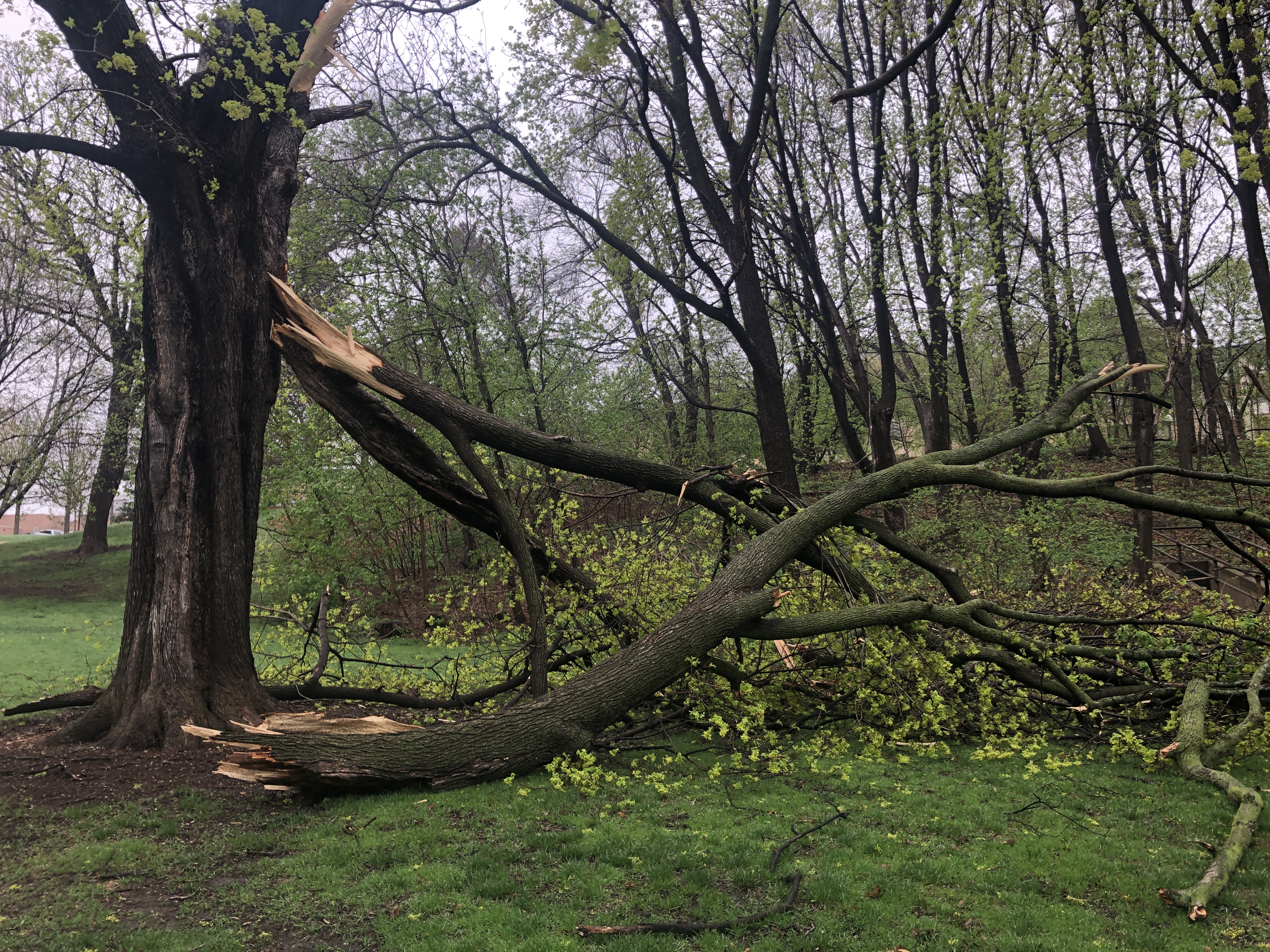
台風で木が倒れた。 “A tree fell because of a typhoon.”
A typhoon is neither a place nor a tool, so why で?
After some Googling, I found an explanation: で can mark the circumstance or cause under which something happens. This usage usually applies to events, natural causes, or unavoidable situations.
And then I found another example in my Anki cards:
釘を踏んで怪我をしました。 “I injured myself by stepping on a nail.”
Tags: japanese